 IGN
IGN
Human Environment SystemDesign Lab of SWJTU
IGN
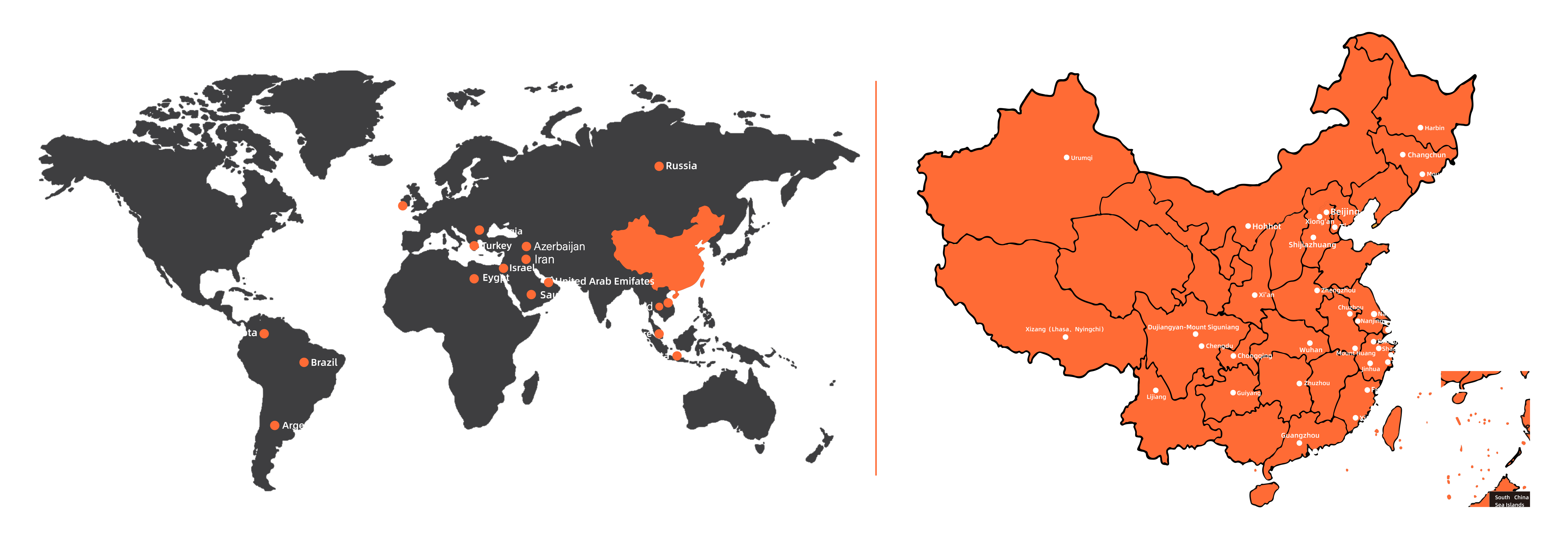
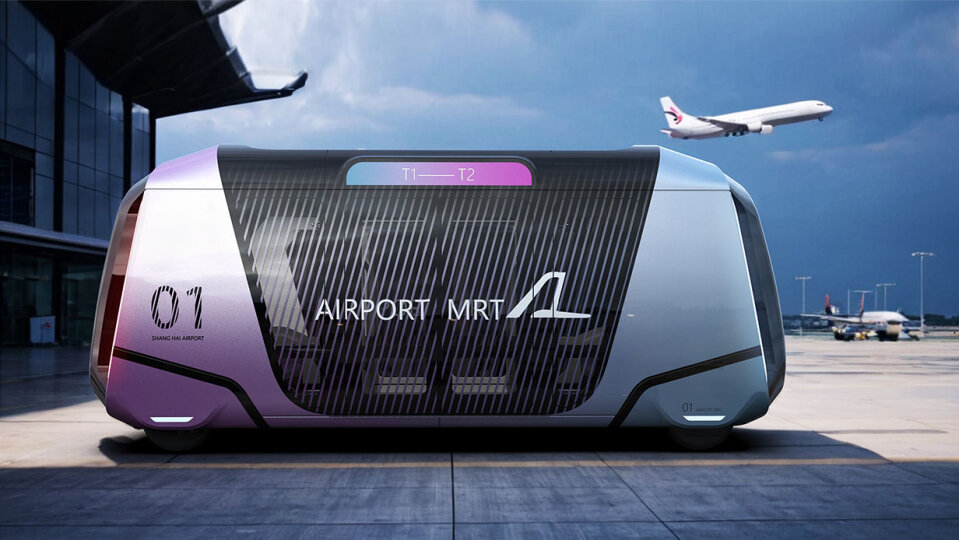
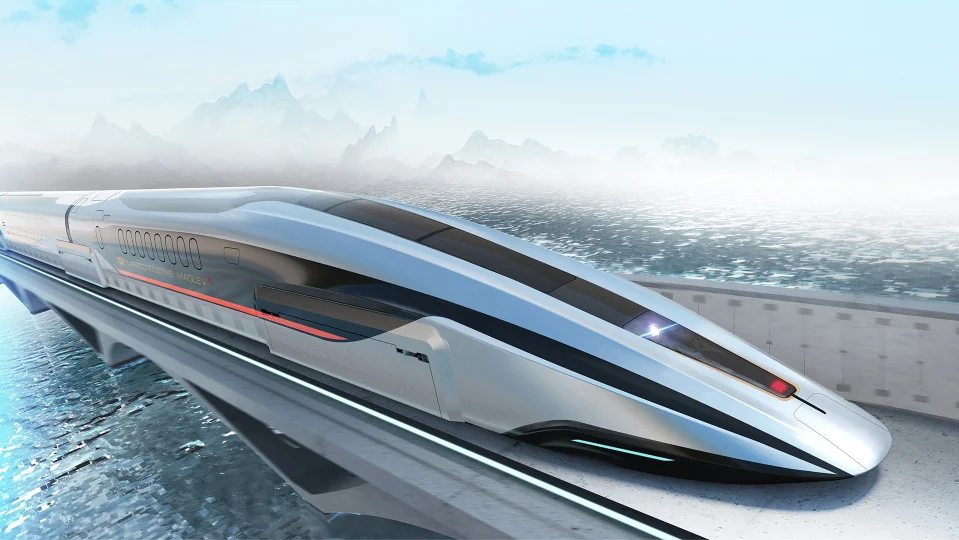
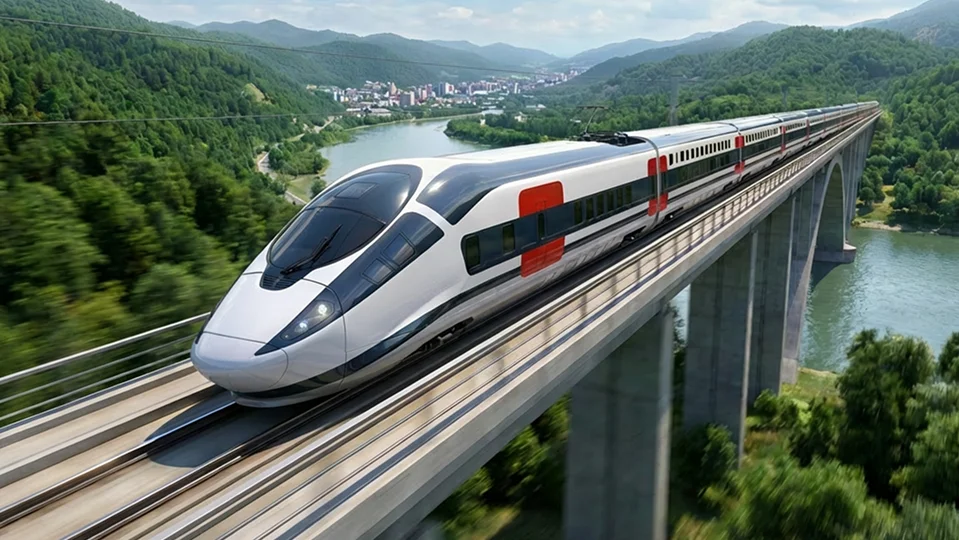
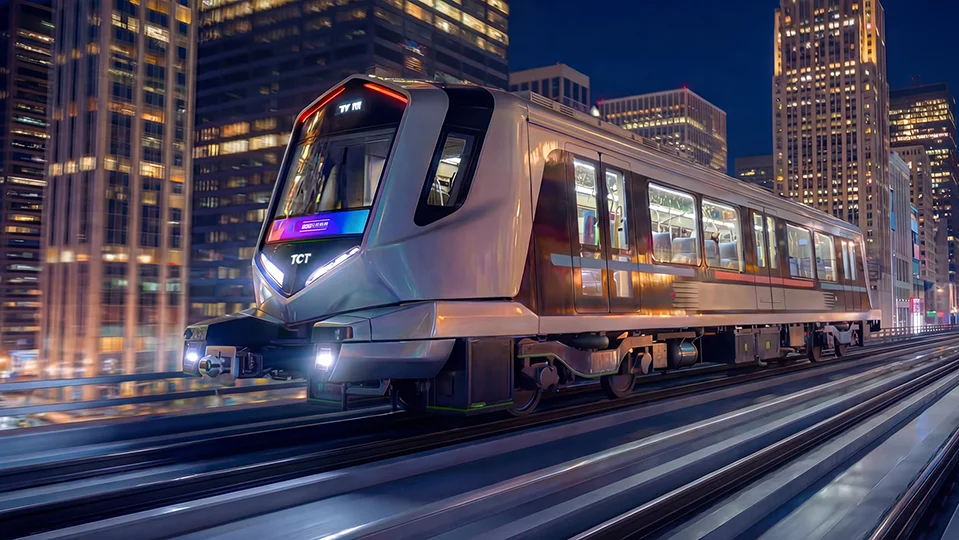
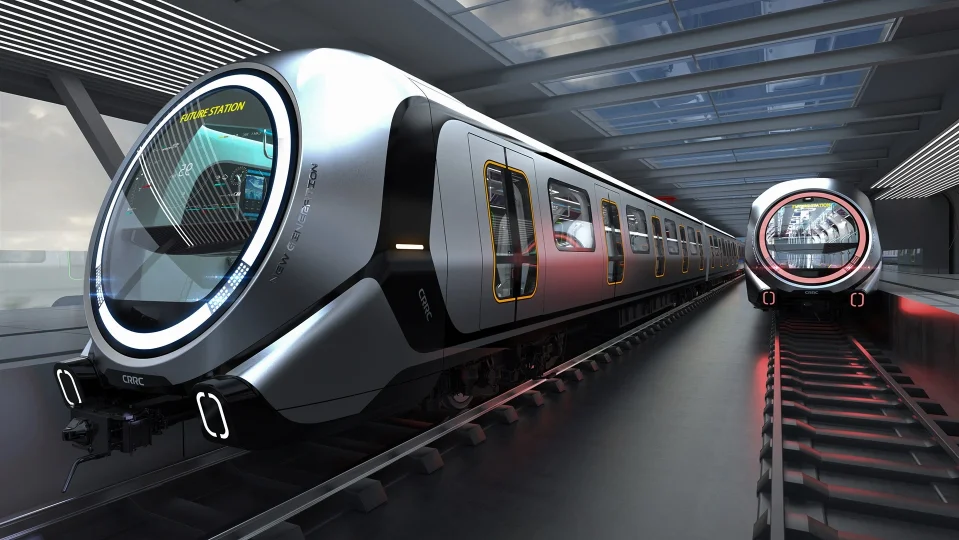
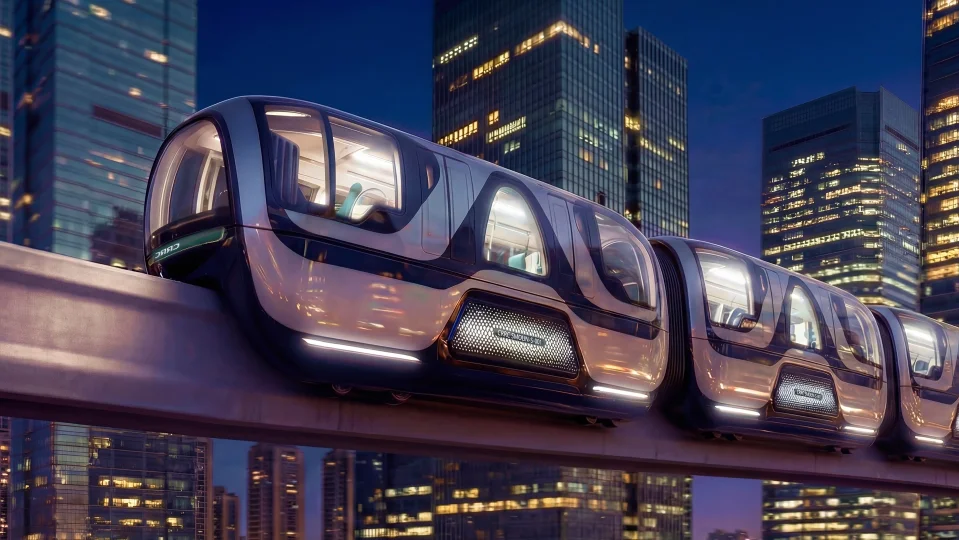
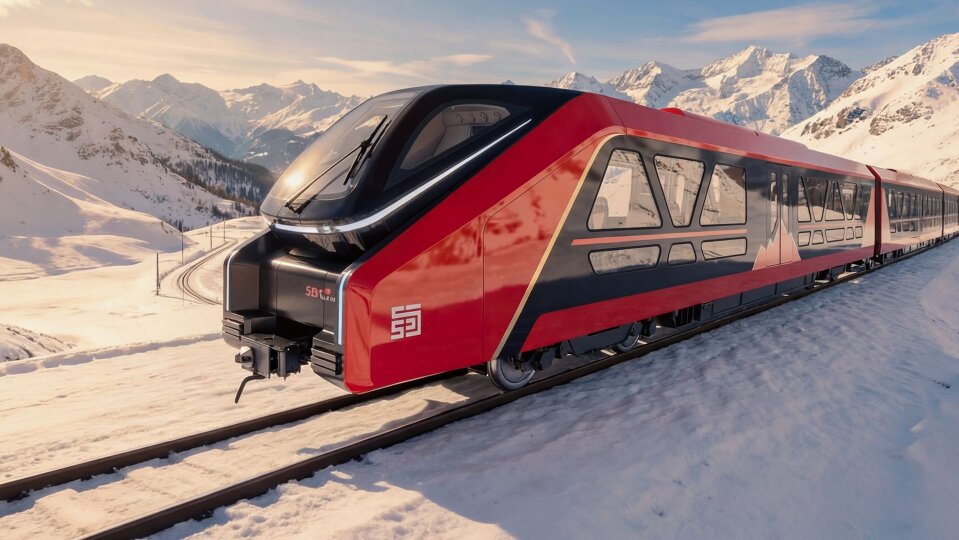
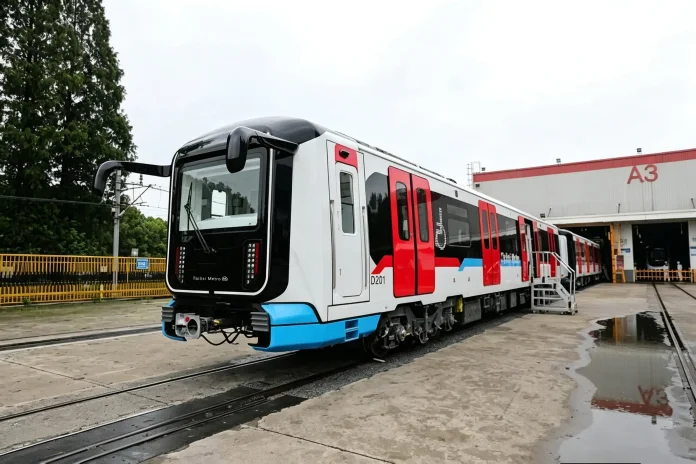
Founded in 2007, the Institute of Human-Machine Environment System Design relies on Southwest Jiaotong University’s strengths in the rail transit industry and is supported by the National Key Laboratory of Rail Transit Vehicle System (formerly State Key Laboratory of Traction Power, Preparatory), forming a distinctive research team focused on Rail Transit Equipment Design. It mainly conducts researches in Industrial Design, Digital Media Design, Service Design, Transportation Architecture and Landscape Design, Ergonomics, Occupant Behavior, Product Usability and Design Theory related to rail transit vehicles, and owns full-process service capacity from conceptual design to industrialization delivery. Having undertaken more than 300 projects in total, the Institute’s business has expanded globally, serving over 17 countries such as Brazil, Argentina, Egypt, Colombia, Turkey, Vietnam, Ireland, Israel, the United Arab Emirates (Dubai) and Singapore. It has obtained a number of professional honors and leads the industrial development with continuous innovation.(2026/04/27)
ABOUT US